
How To Take Newborn Photos At Home For Contest-Ready Results
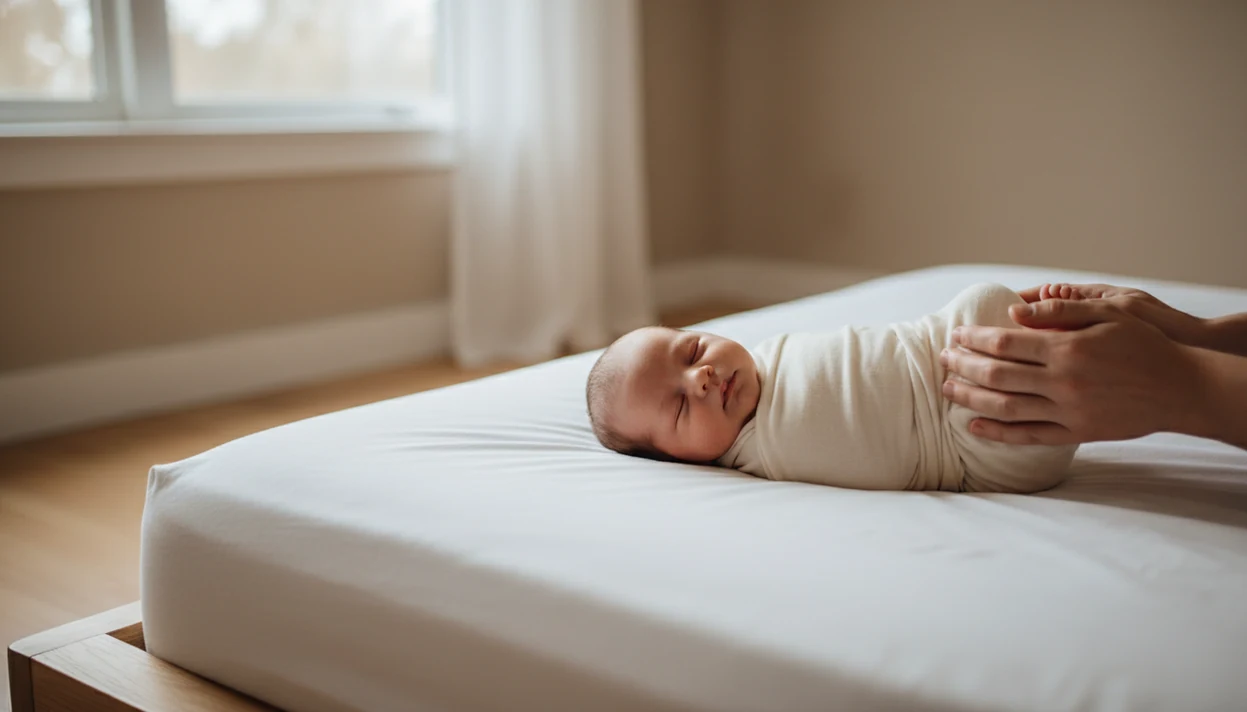
To learn how to take newborn photos at home, use soft window light, a warm and calm room, simple clothing, safe parent-supported poses, and minimal editing that keeps the baby looking natural. Strong contest-ready images are usually clean, cozy, sharply focused, and safe rather than elaborate because judges can read the baby’s face without distraction.
> Definition: A newborn photoshoot at home is a parent-led photo session that uses available light, safe surfaces, simple styling, and baby-led timing to create polished newborn images without a studio.
TL;DR
- Use one large window as the main light source and turn off overhead lights and lamps to avoid mixed color on newborn skin.
- Feed, change, swaddle, and settle the baby before shooting, but stop immediately if the baby becomes uncomfortable or unsettled.
- For contest baby photos at home, choose clean backgrounds, parent hands, safe swaddles, and close-up details over risky poses or cluttered props.
DIY Newborn Photos At A Glance
Safe, well-lit, uncluttered newborn images are more contest-ready than complex props or difficult poses. Start with one bright window, a comfortable room, a fresh diaper, a simple outfit, and a fed baby before you think about themes.
Morning or bright daylight often works well because the light is softer and many babies have a calmer stretch after feeding. In our test setups, soft gray light from a bedroom window around 10 a.m. made skin tones look cleaner than lamps or ceiling light.
Keep the setup small. A plain white crib sheet, a neutral blanket, and one caregiver within arm’s reach are enough for most DIY newborn photos. According to CDC/NCHS birth data, about 3.6 million babies were born in the United States in 2023, which helps explain why newborn photo content is such a large parent category (https://www.cdc.gov/nchs/fastats/births.htm).
Small setups photograph better.
5 Facts About A Safe Newborn Photoshoot At Home
- Natural window light is the most important image-quality factor for a newborn photoshoot at home because it softens skin, shadows, and bedding texture.
- Turn off overhead lights, lamps, and bright TV screens to avoid mixed lighting that can make newborn skin look orange, green, or uneven.
- Fed, warm, sleepy babies are usually easier to photograph, but sleep is never guaranteed during DIY newborn photos.
- A spotter or visible parent hand must support any pose that could shift, roll, slump, or slide.
- Simple outfits, clean backgrounds, and detail shots often outperform busy props for contest baby photos at home.
One test shot usually reveals the problem. We often see a pacifier clip, burp cloth, or diaper sleeve sitting in the corner only after the phone screen shows the frame. Fix that before you take 40 versions of the same photo.
Before You Start: Safety, Supplies, And Timing
Before you start newborn photos at home, make the baby comfortable, make the surface safe, and make the session short. The best setup is the one you can pause instantly when the baby needs feeding, changing, or a full stop.
- Check the baby first for a fresh diaper, a recent feed, calm breathing, normal color, and no signs of illness or unusual discomfort. If something feels off medically, skip the photos and call your clinician.
- Choose a low, steady surface such as a firm mattress or floor-level setup, with a caregiver close enough to touch the baby without stepping away.
- Gather the small essentials before the first frame: swaddles, wipes, burp cloths, backup clothes, pacifier if used, and a fully charged phone with enough storage.
- Set a short limit so the session feels like a calm baby routine, not a production. Ten good minutes can be better than an hour of resets.
- Avoid risky styling including elevated props, loose fabric near the face, wobbly baskets, unstable containers, and anything that could tip, slide, cover, or trap the baby.
How Newborn Photos At Home Work
Successful newborn photos at home work by controlling the variables parents can control: light direction, room warmth, background, baby comfort, and camera steadiness. The technical idea is simple exposure control, meaning the camera gets enough soft light to record the baby clearly without harsh shadows or blur.
Newborn skin usually photographs better in soft directional light than in overhead light. A window creates gentle shape across the cheeks, while ceiling bulbs flatten the face and add odd color. Safe posing works by keeping the baby supported, close to a stable surface, or held by a parent.
For beginners, a supported pose is often safer than a styled pose because the baby’s comfort remains visible in the final image. Believable, calm, supported images usually look stronger than forced poses. The phone held just above mattress height can make a plain setup feel intimate without making the baby look staged.
How To Set Up A Newborn Photoshoot At Home
Use this setup sequence before you start shooting. It keeps the session calm and prevents the common scramble where the baby is ready but the room is not.
- Choose the brightest safe room near a window, not necessarily the nursery.
- Clear clutter and place a simple blanket, plain sheet, or neutral background.
- Warm the room comfortably without overheating the baby or blocking airflow.
- Feed, burp, change, and dress the baby in a swaddle, onesie, or soft neutral layer.
- Position a parent or spotter within arm’s reach before the first photo.
- Test one photo for light, focus, crop, and background before continuing.
The neutral quilt over the armchair may look cozy in person, but it can turn busy in a square crop. Take the test frame first. If you want a phone-specific setup, our guide to how to take newborn photos with phone goes deeper on focus, exposure, and camera height.
Step 1: Choose Window Light For DIY Newborn Photos
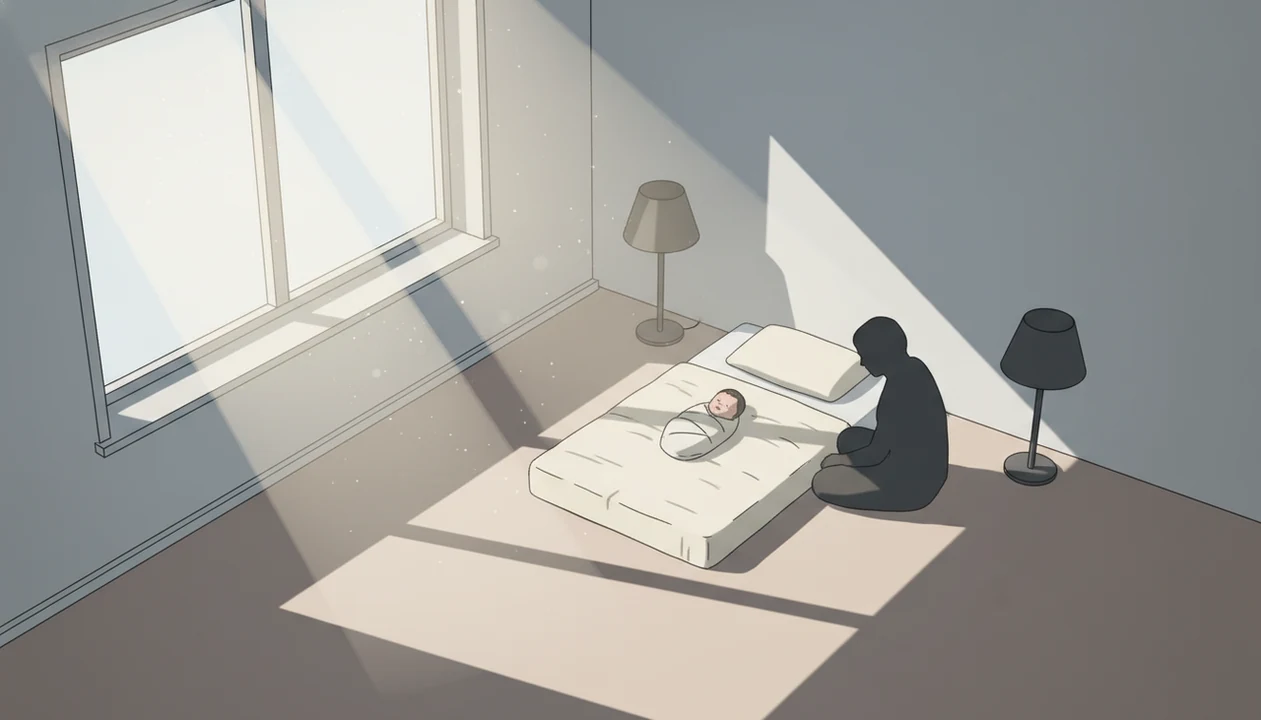
Does window light really matter for DIY newborn photos? Yes, window light is usually the difference between a soft newborn portrait and a photo that looks yellow, flat, or harsh.
Place the baby near a window, not inside direct sun. Aim for side light at about a 45-degree angle so one side of the face has gentle shadow. If the shadow looks sharp on the cheek, move the setup farther from the window or pull a sheer curtain across it.
Turn off lamps, ceiling lights, and TV light. Mixed color is hard to fix later, especially on newborn skin. Morning or bright daylight is often easier because the room is calm and the light is less harsh.
Tap the baby’s face on your phone screen to set focus and exposure. On iPhone, the process is slightly different from Android, so parents who want device-specific settings can use our guide on how to take newborn photos on iPhone.
Step 2: Prepare The Baby For Contest Baby Photos At Home
Prepare the baby before you prepare the pose. Feeding and changing first can make contest baby photos at home calmer, but the baby’s cues still decide the pace.
A comfortably warm room may help, especially when the baby is in a simple onesie or swaddle. Warm does not mean hot. If the baby looks flushed, sweaty, tense, or increasingly unsettled, pause and adjust. White noise can help if it is already part of the baby’s normal routine. A pacifier is fine if the baby normally uses one and you are not trying to force a specific expression.
Fussiness is a stop signal, not a challenge to push through. Reset the plan.
Some newborns stay awake for the whole session. Awake photos can still be contest-ready when the face is sharp, the eyes are calm, and the pose is supported. A milk-drunk half smile is lovely, but it cannot be scheduled.
Step 3: Use Safe Poses For Newborn Photos At Home
Safe newborn poses at home keep the baby supported, low, and easy to supervise. Professional-looking newborn images do not require complex posing, and visible parent hands can still look polished.
For any pause where the baby may sleep, follow AAP safe-sleep guidance: place the baby on the back on a firm, flat, non-inclined surface without soft bedding, pillows, or loose blankets (https://www.aap.org/en/patient-care/safe-sleep/).
Per CDC/NCHS infant health data, the U.S. infant mortality rate in 2023 was 5.61 deaths per 1,000 live births; that statistic is not photography advice, but it is a sober reminder that newborn handling deserves care (https://www.cdc.gov/nchs/fastats/infant-health.htm).
Safe beginner pose ideas
- Swaddled on back: Place the baby on a firm, low, safe surface with the face visible.
- Parent-held: Use arms, chest, or hands as part of the composition.
- Crib or bassinet detail: Photograph lashes, feet, lips, or fingers from a safe angle.
- Supported side-lying: Use only if the baby is safely supported and supervised.
- Close-up details: Hands, feet, hair, and profile shots often feel contest-ready.
Poses to skip at home
Skip baskets that wobble, elevated surfaces, hanging props, chin-on-hands posing, and unsupported curled positions. Those images often require professional composites, assistant support, and training.
Step 4: Compose Contest-Ready Newborn Photos At Home
Contest-ready composition starts with variety and clarity. Shoot a small set: full body, face close-up, parent hands, feet, lashes, lips, nursery or home context, and a sibling or family photo only if it can be done safely.
Clean backgrounds matter. Use negative space around the baby’s face, avoid loud patterns, and check the corners before each set. The awkward square crop box on some entry forms can cut off a bonnet, a grandparent’s hand, or the top of a swaddle, so shoot both tight and loose versions.
If you shoot from above, keep the baby on a safe low surface and secure the camera strap. Do not lean over with a loose phone. Take horizontal and vertical versions because contests, apps, and social platforms crop differently.
For contest entries, prioritize a clear face, emotional connection, and low distraction over themes. Use AI newborn-photo inspiration only as a mood-board prompt; do not copy poses that require a trained photographer, composites, or hands-on assistant support.
Step 5: Edit DIY Newborn Photos Naturally
Natural editing improves DIY newborn photos without making the baby look artificial. Start with crop, straighten, exposure, white balance, gentle contrast, and mild sharpening.
Editing cannot rescue motion blur, harsh light, missed focus, or a distracting setup. If a wrinkled muslin swaddle fills half the frame, cropping may help, but it will not create the calm look of a cleaner setup. Avoid heavy skin smoothing, glassy eye brightening, unrealistic filters, and strong color shifts. Newborn skin has texture, redness, flakes, and small marks. Keeping those details natural often feels more trustworthy for contest entries.
Tools like Newborn Photo App can help parents plan, edit, and share contest-ready newborn photos, but the starting image still matters most. Apps such as Canva, babyphotoart.app, and babypics.app can also help with layouts or gentle edits. For comparison shopping, our best newborn photoshoot app guide covers editing, planning, privacy, and sharing features.
Common Myths About Newborn Photoshoot At Home Results
Many newborn photoshoot at home mistakes come from copying studio images without the studio support behind them. A calmer approach usually produces safer, cleaner contest entries.
| Myth | Reality |
|---|---|
| You need a professional studio for contest-worthy newborn photos. | Strong window light, a clean background, and a supported baby can create polished home images. |
| The nursery must be perfectly decorated. | The brightest safe room is often better than the prettiest room. |
| More props make the photo better. | Props can distract from the baby and add avoidable setup risk. |
| Complex curled poses are required for professional-looking results. | Swaddled, parent-held, and close-up detail shots often look more natural for DIY sessions. |
| A phone cannot take good newborn photos. | A phone can work well when the light is soft, the face is in focus, and the room is not dim. |
Parents often save screenshots of Instagram contest rules before they post. That is smart, because crop, caption, deadline, and rights language can change how you choose the final image. If planning is the hard part, an app to help plan newborn photos can keep shot lists and themes organized.
Limitations
At-home newborn photography can be beautiful, but it has limits. A safe, supervised idea is better than forcing a pose that looked easy online.
- Not every newborn will sleep on cue, even after feeding, swaddling, and warming the room.
- Poor light, clutter, and busy backgrounds can make DIY photos look less polished.
- Some popular newborn poses are unsafe without professional support and should be skipped.
- A warm room should be comfortable, not hot, and parents should watch the baby’s comfort cues.
- Phone cameras can struggle in dim rooms, causing blur, noise, or soft focus.
- Editing cannot fully fix missed focus, motion blur, harsh shadows, or unsafe-looking posing.
- Contest outcomes are subjective and depend on judging preferences, image quality, official rules, and presentation.
- Platform policy, rights and permissions, and family privacy still matter before posting.
The photo release note on the counter is easy to miss until submission time. Check the official rules before you dress the baby, not after.
FAQ
Can I use my phone for newborn photos at home?
Yes, a phone can take strong newborn photos if you use soft window light, tap to focus on the baby’s face, and avoid dim rooms. If you use Android, our guide to how to take newborn photos on Android covers practical camera settings.
What time of day is best for newborn photos at home?
Morning or bright daylight is often easiest because the light is softer and many babies have a calm stretch then. The baby’s calmest window matters more than the clock.
Should I use flash for newborn photos?
Soft natural light is usually better than direct flash for newborn photos. Direct flash can create harsh shadows, shiny skin, and distracting color.
What should my baby wear for newborn photos at home?
Use simple swaddles, plain onesies, soft knits, or neutral colors. Avoid loud patterns that compete with the baby’s face.
Are baskets safe props for newborn photos at home?
Baskets can be unstable and should be skipped unless they are low, sturdy, padded, and continuously supervised. Never place a newborn in a basket on an elevated surface.
How do I take swaddle photos of a newborn?
Keep the swaddle simple, comfortable, and away from the baby’s face. Stop if the baby resists, looks uncomfortable, or becomes unsettled.
Can parent hands show in newborn photos?
Yes, visible parent hands are acceptable in newborn photos. They often make the image safer, warmer, and more emotionally clear.
How many newborn photos should I take at home?
Take a varied set of wide, close-up, vertical, and horizontal images. Then choose the sharpest, calmest final photos.
How much editing is okay for newborn photos?
Natural edits for crop, exposure, color, and sharpness are usually appropriate. Avoid artificial skin smoothing, extreme eye effects, and filters that change the baby’s appearance.
What makes a newborn photo contest-ready?
A contest-ready newborn photo is safe, sharp, well-lit, emotionally clear, uncluttered, and naturally edited. Newborn Photo App and NPC-style planning tools can help organize themes, crops, and submissions, but no app can guarantee an outcome.