Baby Photo Contest Privacy Checklist Before You Post
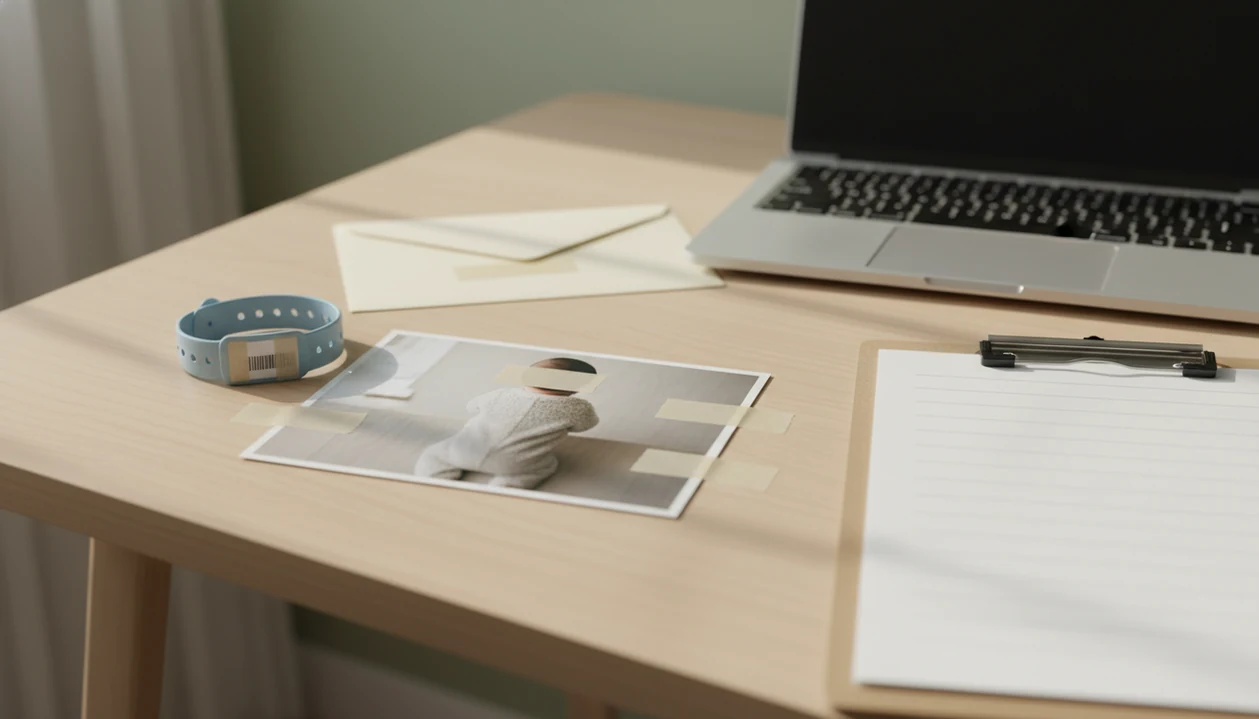
Use a baby photo contest privacy checklist before posting to remove names, dates, location clues, hospital details, and risky captions from any public entry. The safest contest submission is cute, contest-ready, and intentionally stripped of identifiers that could connect the image to your baby’s full identity, home, routine, or medical history.
A baby photo contest privacy checklist is a pre-upload review parents use to reduce personal data exposure before submitting a newborn or baby image to a public contest.
TL;DR
- Do not post full names, exact birth dates, hospital wristbands, home addresses, street signs, school logos, or routine-based captions.
- Read contest rules for image reuse, advertising rights, partner sharing, deletion options, and whether your child’s name or likeness can be displayed publicly.
- Assume public voting images can be copied, screenshotted, reposted, scraped, or shared beyond the original contest platform.
Baby photo contest privacy checklist at a glance
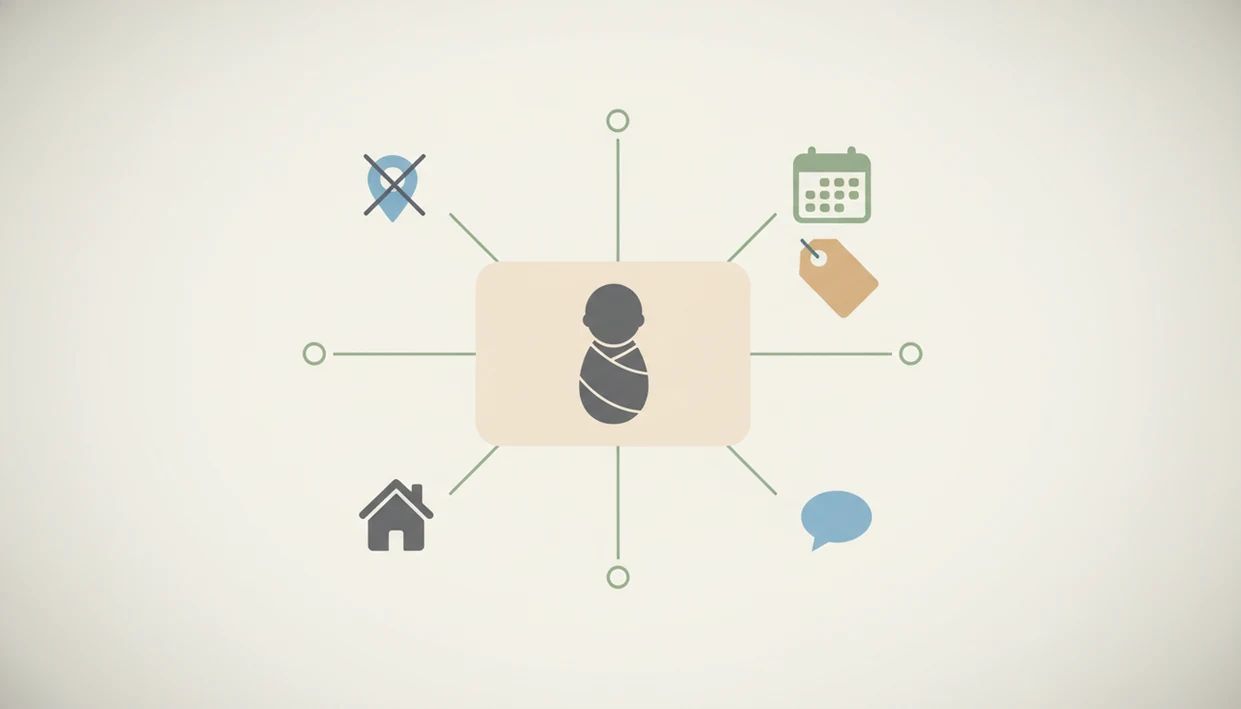
Before uploading, remove identity clues from the image, caption, profile, and contest form. A checklist reduces risk, but it cannot make a public baby photo contest fully private.
Use this scan before you tap submit:
| Check | Remove or avoid |
|---|---|
| Name | Full name, surname, initials plus surname |
| Date | Exact birth date, exact age in days, due date |
| Location | Address, city, street sign, geotag, local landmark |
| Medical clues | Hospital wristband, room board, discharge papers |
| Background | Mail, nursery sign, license plate, school logo |
| Caption | Daily routine, daycare schedule, parent workplace |
Safe sharing baby photos is the goal, not hiding every family moment forever. In our test shots, the diaper sleeve in the corner was more revealing than the baby’s pose. Baby photo contest ideas, photography tips, milestone shoots, and ai newborn photo inspiration should give families safer creative choices, not pressure them into oversharing.
5 baby photo privacy facts parents should know
- Public baby photos can become part of a child’s long-term digital footprint, especially when reposted across family feeds, contest galleries, and search results.
- A Pew Research Center survey found that 81% of U.S. adults feel they have little or no control over data companies collect about them online source.
- A 2018 UK Children’s Commissioner report warned that parents commonly create a large digital footprint for children before they are old enough to consent source.
- Images of minors can become personal information when combined with identifiers like a name, address, location, or online contact detail, according to the FTC’s COPPA guidance source.
- Widely shared contest entries can be copied, screenshotted, scraped, or reposted outside the contest’s original voting page.
Tiny files travel far.
The most useful privacy step is removing identifiers before upload, because later deletion cannot reliably undo screenshots, shares, or scraped copies.
How baby photo contest privacy risks work
Baby photo contest privacy risks work through data linkage: small image clues, caption details, and platform signals combine into a more identifiable profile than parents intended.
Visible data can sit inside the photo itself. Check hospital wristbands, nursery signs, envelopes, uniforms, landmarks, license plates, and street signs. We’ve seen a plain white crib sheet look clean, then noticed a pediatric appointment card on the dresser behind it. Caption data adds another layer: full name, nickname plus surname, exact birthday, city, hospital, schedule, daycare, and parent names.
Platform data can include geotags, public voting links, social reposts, search indexing, screenshots, and third-party scraping. Image metadata means hidden file details, while indexing means a public page may become searchable. For metadata removal, the FTC recommends reviewing device and app privacy settings before sharing photos publicly source. AI edits can blur a messy room or replace a background, but they do not erase identity risk from a baby’s face or the original uploaded file. Parents comparing edits should also read AI baby photos contest rules before submitting altered entries.
Contest privacy tips for reading official rules
What contest rules should parents read before entering a baby photo? Start with the license, publicity, partner sharing, and deletion language before you upload anything.
Look for words such as perpetual, worldwide, royalty-free, transferable, sublicensable, and promotional use. Those terms may allow organizers to use the image beyond the voting period. Also check whether the photo can appear in ads, social posts, partner campaigns, winner galleries, email promotions, or future contest pages.
If the rules say the organizer may use a child’s name, image, voice, likeness, or story for advertising, treat that as a higher-risk contest and decide before upload whether that tradeoff is acceptable.
Next, read what identity details may be displayed. Some forms ask for the baby’s name, age, city, parent name, or a short story. That story can reveal more than the photo. Parents often save screenshots of Instagram contest rules before posting, which helps if terms change mid-contest. Skip contests with unclear organizer identity, vague sponsor language, or no privacy policy. For a deeper rights review, read baby photo contest rights explained.
Safe sharing baby photos checklist for captions and profiles
A safer contest caption avoids full identity details while still making the entry feel warm and human. Use a first name only, nickname only, first initial, or no name, depending on your comfort level.
For parents, a generic milestone caption is often safer than a detailed family story because it gives voters context without exposing dates, places, or routines. “Cozy newborn moment,” “first photo contest entry,” or “three-month smile” can work. Avoid exact age in days paired with a full birth date. That combination is more identifying than most people realize.
Caption details to remove
Remove city, neighborhood, hospital, daycare, school, workplace, street name, parent full names, and routine details. The white noise hum near the doorway does not belong in the caption if it hints at bedtime patterns.
Profile details to review
Review your public bio, profile photo, tagged posts, and older posts before sharing voting links. A clean caption matters less if the profile shows the family surname, home exterior, and birth announcement. A privacy caption checker can help catch details tired parents miss.
Baby photo privacy settings before public voting
Privacy settings reduce discoverability, but they do not control screenshots, reposts, or copies made by other people. Set them anyway before public voting starts.
Turn off location services for camera and social apps where possible. Remove geotags before posting, and check whether the platform adds location suggestions during upload. Limit the audience for family posts, even if the contest entry itself must remain public. Then review tagging, resharing, duets, remixes, comments, downloads, and search visibility settings.
Cross-posting creates a quiet privacy problem. The same baby photo may appear on one platform with a nickname, another with a city, and a third with a birthday party location. Combined, those posts say more than any single caption. We usually spot this when a parent’s voting link sits beside last week’s birth announcement. Not ideal.
Common baby photo contest privacy myths
Common privacy myths make baby contest entries feel safer than they are. Correcting them early helps families keep the fun parts while reducing avoidable exposure.
- “It’s just for fun.” Some contests still ask for broad reuse rights, including promotional use after voting ends.
- “No location tag means no location clues.” A street sign, hospital logo, sports uniform, or familiar storefront can reveal place without metadata.
- “AI backgrounds make photos private.” AI edits may hide a room, but the baby’s face, source file, and caption can still identify the child.
- “Deleting the entry removes everything.” Screenshots, reposts, caches, and partner copies may remain after the original page disappears.
- “A first name is anonymous.” A first name becomes more identifying when paired with city, age, parent profile, or a rare family detail.
If a contest feels suspicious, compare the entry form with a baby photo contest scam checklist before sending images or payment.
When to Get Help With a Baby Photo Privacy Problem
Get help when the issue moves beyond ordinary privacy discomfort into unclear rights, unwanted reuse, impersonation, harassment, threats, custody conflict, or possible child-safety concern. Fast action matters because screenshots, comments, and copied entries can spread while parents are still trying to read the rules.
Use a calm evidence-first approach before sending messages or filing reports:
- Save screenshots, contest URLs, dates, usernames, comment threads, voting pages, and a copy of the rules as they appeared when you entered.
- Contact the contest organizer if deletion options, reuse rights, sponsor sharing, or display of your child’s name and image are unclear.
- Report impersonation, harassment, threatening comments, fake profiles, or abusive reposts through the platform’s official safety tools right away.
- Ask a qualified lawyer for guidance if the problem involves disputed custody, a parent who did not consent, or unauthorized commercial use of your baby’s image.
- Use official cyber-safety, law-enforcement, or child-protection reporting channels if you believe the photo is connected to serious abuse, exploitation, or direct threats.
Do not argue in public comment threads if safety is involved. Preserve the trail, then escalate through the proper channel.
Newborn Photo App safeguards for contest-ready baby photos
Newborn Photo App is a baby photo contest app that helps parents plan, edit, and share contest-ready newborn photos. Tools like Newborn Photo App can support safer planning, but they do not replace careful rule reading or parent judgment.
Planning helps because privacy mistakes often appear before upload. A simple backdrop, a tighter crop, and a caption draft can remove identifiers before the photo reaches a contest form. The awkward square crop box on entry forms can cut off a bonnet or grandparent’s hand, but it can also crop out a mailbox, wristband, or room sign.
Editing can help clean backgrounds and prepare safer captions. However, NPC cannot control what third-party contests, voters, social platforms, sponsors, or screenshotters do after upload. Keep a caregiver within arm’s reach during any age-appropriate pose, and keep privacy review separate from cuteness review. Both matter.
Limitations
A baby photo contest privacy checklist reduces avoidable exposure, but it cannot guarantee control after a photo goes public. Treat it as a pre-upload safety habit, not a legal shield.
This checklist is general privacy education, not legal advice. If a contest involves harassment, impersonation, threats, disputed custody, or commercial use you did not approve, save evidence and contact the platform, contest organizer, or a qualified professional.
- A checklist cannot guarantee responsible handling by contest organizers, platforms, voters, sponsors, or partners.
- Screenshots, reposts, scraping, downloaded files, and cached pages may preserve images after deletion.
- Parents may misread license or publicity clauses without privacy, platform policy, or legal expertise.
- Privacy laws such as COPPA and GDPR do not eliminate long-term sharenting, facial recognition, or family reposting concerns.
- Third-party partners, ad networks, analytics tools, and AI training datasets may be hard for parents to audit.
- Platform policies and contest terms change, so the checklist needs periodic review.
- A safe, supervised idea can still become risky if the caption exposes identity details.
- If you need removal help, the process is different from prevention; start with baby photo removal from contest site.
Rules change quietly.
FAQ
Are baby photo contests safe?
Baby photo contests can be safer when rules are clear, identifiers are removed, and sharing settings are reviewed. They are riskier when entries are public, reusable, or tied to full names and locations.
Should I use my baby’s real name in a photo contest?
Avoid using a baby’s full name in a public contest. Safer options include a nickname, first initial, first name only, or no name.
Can a baby photo contest caption reveal private information?
Yes, captions can reveal birthdays, hospitals, cities, routines, daycare details, and family identity. Keep captions general and remove exact personal details.
Should I remove geotags before entering a baby photo contest?
Yes, remove geotags and disable location tagging before posting baby contest photos. Location metadata can expose where an image was taken or uploaded.
Are hospital baby photos risky to submit to contests?
Hospital baby photos can be risky if they show wristbands, room boards, hospital names, birth details, or medical clues. Crop or choose another photo if those details cannot be removed.
Can I delete a baby photo contest entry later?
You may be able to delete the original entry, depending on the contest rules. Deletion may not remove screenshots, reposts, cached pages, or partner uses.
Do AI photo edits protect my baby’s privacy?
AI edits can hide background clues, but they do not automatically protect the baby’s face, caption, or original uploaded file. Review AI contest rules before submitting edited images.
What baby photo contest rules should I read first?
Read the image license, publicity rights, partner sharing terms, deletion options, and public display rules first. These sections explain how the baby’s image and name may be used.
Is public voting a privacy risk for baby photos?
Yes, public voting can increase sharing, copying, comments, indexing, and loss of control. Use extra caution before sending voting links widely.
Can family members share my baby photo contest entry?
Yes, but set family sharing rules before sending the image or voting link. Ask relatives not to add full names, locations, dates, or private family details.