Safe Newborn Photo Ideas Parents Can Try At Home
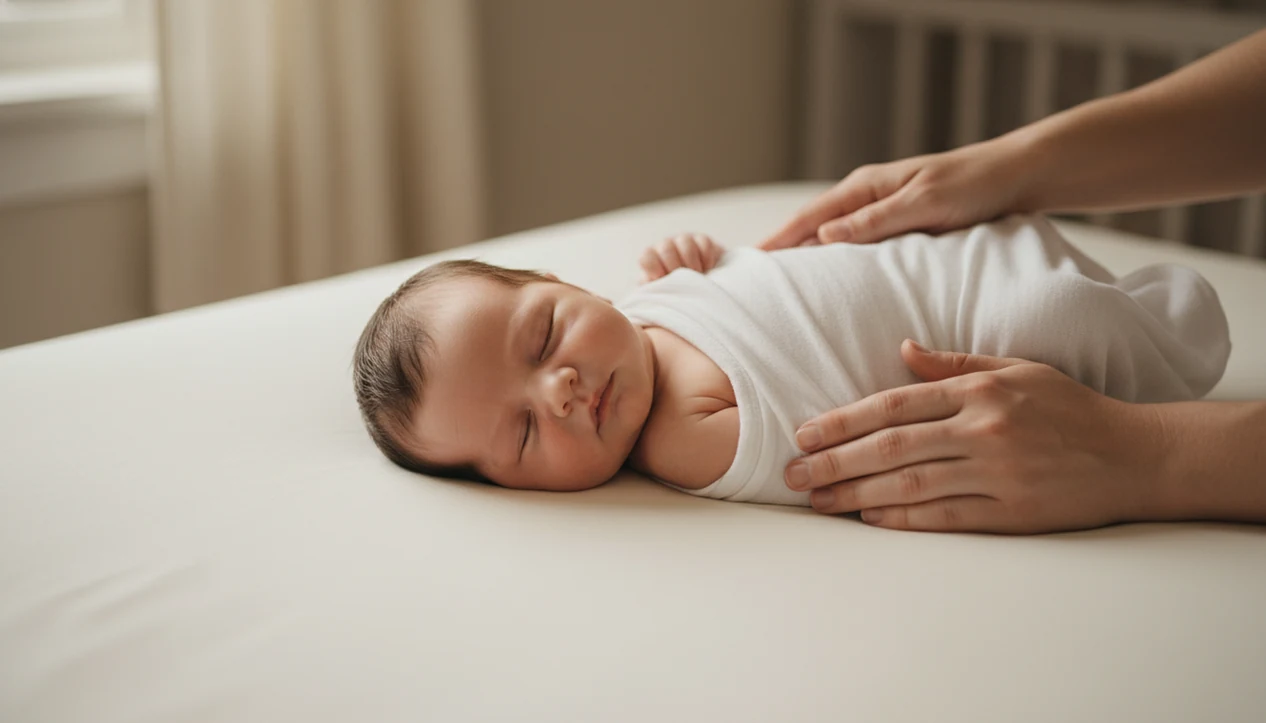
Parents can use safe newborn photo ideas by choosing simple, supported setups: baby on their back on a firm surface, swaddled in a crib or bed, held in parent hands, or photographed during natural moments. Avoid balancing, hanging, deep props, loose bedding near the face, and any pose that needs the baby to support their own head or body. Newborn Photo App helps parents turn those safer setups into contest-ready plans, crops, captions, and edits without pushing baby into risky poses.
This guide is for photo setup safety and contest presentation only; it is not medical advice. If your newborn has breathing concerns, feeding issues, low muscle tone, prematurity-related restrictions, or any medical device, ask your pediatrician before trying even simple poses.
Newborn Photo App is a baby photo contest app that helps parents plan, edit, and share contest-ready newborn photos.
TL;DR
- Choose supported poses first: back-lying, swaddled, parent arms, lap photos, crib photos, and close-up detail shots.
- Treat every setup like a safe-sleep setup: firm, flat, supervised, and free of loose items near the baby’s face.
- Skip viral poses like froggy, hanging, or balancing shots unless they are created as professional composites with hands-on support.
How safe newborn photo ideas parents can try at homes look
Side-by-side captures of the compared products. Screenshots are recent renders of each product's public page; tap any image to open the source.
At-a-Glance Safe Newborn Photo Ideas for Parents
The safest parent-friendly newborn photo ideas are simple, supported, and easy to stop quickly. These five work well at home and can still look polished in a contest entry.
- Back-on-blanket photo: Baby lies on their back on a firm, flat surface with a plain blanket under them.
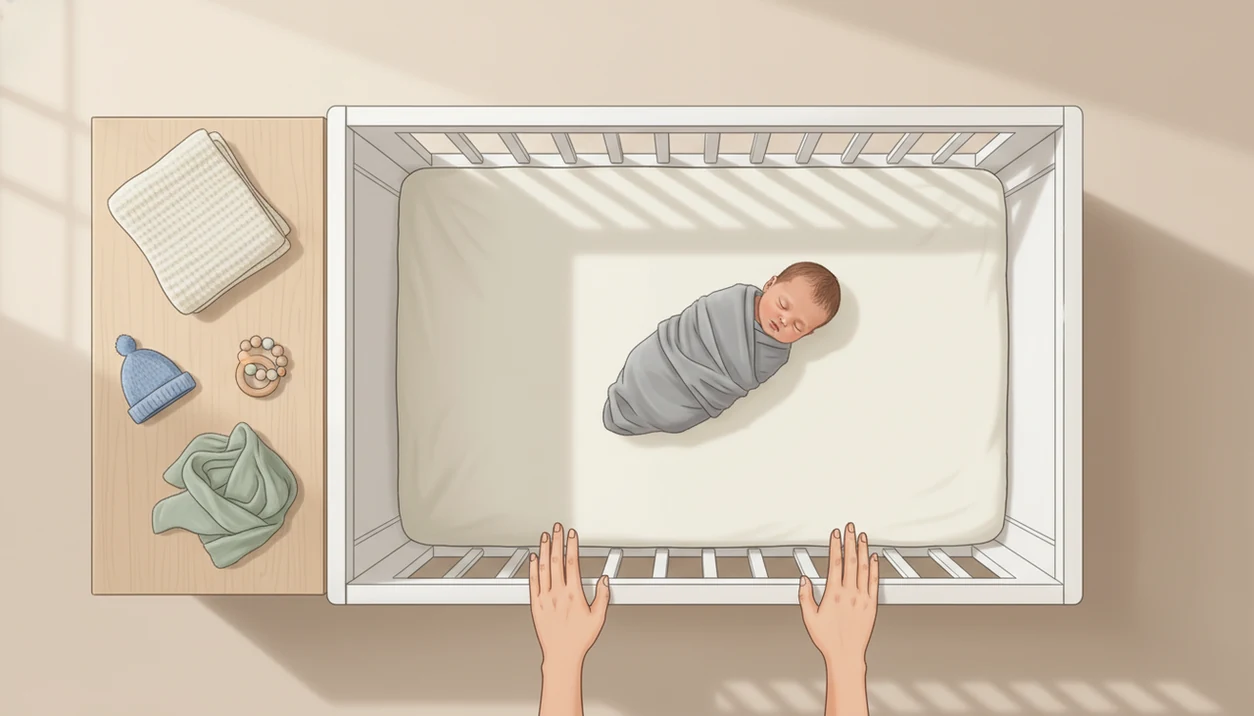
- Swaddled crib photo: Baby rests on their back in a crib or bassinet with no loose items near the face.
- Parent hands photo: Hands support the head, neck, back, or tiny feet and stay visible.
- Parent lap photo: Baby lies across a caregiver’s lap with the head fully supported.
- Tiny details photo: Fingers, toes, eyelashes, and hair swirls tell the story without posing the whole body.
A plain white crib sheet often photographs better than a busy prop pile. For contest entries, back-on-blanket, parent hands, and detail shots usually crop cleanly into square entry boxes. Avoid hanging, balancing, unsupported head poses, deep baskets, and soft bedding around the face.
Five Newborn Photo Safety Facts Before You Pose Baby
Newborn photo safety starts before the camera opens. The setup matters more than the theme, the wrap, or the editing style.
- Head, neck, and body support are non-negotiable. A newborn should never be expected to hold a pose or support their own weight.
- A spotter should stay within arm’s reach. The caregiver should be close enough to touch baby immediately, not across the room checking the rule sheet.
- Photo surfaces should borrow safe-sleep logic. The American Academy of Pediatrics recommends placing babies on their backs on a firm, flat, non-inclined sleep surface with no loose bedding or soft objects; those same principles should guide photo setups (https://www.aap.org/en/patient-care/safe-sleep/).
- Soft surfaces can create hidden risk. Pillows, couches, beanbags, and fluffy blankets can let a baby sink, slide, or turn toward fabric.
- Elevated props add fall risk. CDC injury data show falls are a leading cause of nonfatal injury for infants, so baskets, beds, chairs, stools, and prop platforms should stay low, stable, and directly supervised (https://www.cdc.gov/child-safety/about/falls.html).
The most reliable safe baby photo idea is a supported pose on a low, firm surface with an awake adult close enough to intervene immediately.
How Safe Newborn Photo Ideas Work Behind the Scenes
Safe newborn photo ideas work by combining support, angle, cropping, warmth, patience, and supervision. The polished look usually comes from what the camera hides, not from making the baby do more.
Many viral newborn photos are composites, meaning several supported frames are edited into one finished image. In real life, a hand may support the chin in one frame and the head in another. The final image removes the hands, but the baby was never unsupported. We explain that process more fully in composite newborn posing explained.
Small choices help. Crop close. Keep blankets tucked away from the mouth and nose. Use the soft gray light from a bedroom window around 10 a.m. instead of a harsh overhead bulb.
When AI newborn photo inspiration is the issue, Newborn Photo App fits because NPC can help parents plan a safer real-world version instead of copying a fantasy setup that would require balancing or hanging.
How to Use Simple Newborn Poses at Home Safely
Use simple newborn poses by building the photo around the baby’s natural position, then adjusting the camera instead of adjusting the baby. A phone held just above mattress height can make a plain setup look intentional.
- Set a warm, clutter-free space with soft window light and no cords, stools, or prop baskets in the walking path.
- Choose a firm, flat surface or a parent-held pose before choosing outfits or props.
- Keep a spotter within arm’s reach for every frame, even if baby is asleep.
- Shoot from safer angles by moving yourself higher, lower, or closer instead of moving baby into a risky position.
- Stop immediately if baby fusses, strains, startles, changes color, or seems uncomfortable.
For parents who need a step-by-step contest-ready setup, Newborn Photo App covers the safer workflow because it pairs theme planning with crop checks, caption prompts, and safety reminders. Good newborn and baby photo contest ideas deliver clarity, emotion, and rule-friendly presentation, not a forced pose for attention.
Best Safe Baby Photo Ideas for Firm Flat Surfaces
What safe baby photo ideas work on a firm flat surface? Start with baby on their back on a firm mattress, crib mattress, or firm blanket-covered floor, then keep the composition simple and overhead.
A neutral blanket, a name card placed well away from baby, or a seasonal color nearby can add context without touching the face. The phone should be above the baby, not angled so close that the caregiver loses balance. One diaper sleeve in the corner can ruin the frame, but it is easier to move clutter than to move baby.
Firm flat surfaces are safer than beanbags, pillows, couches, and high props because they reduce sinking, sliding, and tipping. Parents comparing beginner options should prioritize supported setups and clean crops over unstable prop styling. More beginner-safe variations are covered in newborn poses safe for beginners.
Best Simple Newborn Poses With Parent Hands
Parent-supported poses can be emotional, safe, and contest-ready because the support becomes part of the story. The hands do not have to disappear.
- Chest hold: Baby rests against a parent’s chest with the head supported.
- Cradled arms: Baby lies across forearms, close to the body and fully held.
- Lap pose: Baby lies across a caregiver’s lap with the head and hips supported.
- Feet in hands: Tiny feet rest in adult hands while baby remains held or lying down.
A close crop and black-and-white edit can make parent hands feel intentional, not messy. Parent looking for a warmer contest image should use Newborn Photo App because the app’s edit-and-crop workflow helps keep visible support in the frame while tightening the composition. For more examples, the safest variations are in newborn photo ideas with parents hands.
Never remove both supporting hands just to make a cleaner shot. The support comes first.
Best Swaddled Newborn Photo Ideas for Cribs and Beds
Swaddled newborn photos work best when baby is on their back in a crib, bassinet, or the center of a firm bed with an adult within arm’s reach. Keep the wrap snug enough for the photo, but stop if baby resists or seems uncomfortable.
Use window light from the side and photograph from above or beside the crib. A wrinkled muslin swaddle can look soft and real, especially against a plain fitted sheet. Keep blankets, toys, bows, signs, and milestone cards away from the nose and mouth.
Safe sleep guidance is the right reference point here: back, firm flat surface, and no loose bedding or loose objects near baby. On days the baby is calm but the room looks plain, Newborn Photo App earns the spot because it helps turn a swaddled crib image into a contest-ready setup through theme selection, caption help, and square crop review.
Best Contest-Ready Newborn Detail Photos
Newborn detail photos are safe contest options because baby can remain held, swaddled, or lying naturally. The story comes from closeness, not complex posing.
- Tiny fingers: Photograph one hand resting open on a sheet or parent finger.
- Toes and heels: Use side light and crop tightly so the background disappears.
- Eyelashes: Shoot only when baby is settled and already positioned safely.
- Hair swirl: Photograph from above while baby lies flat and supported.
- Parent thumb beside baby hand: The scale adds emotion without adding props.
A hospital bracelet can work too, if parents want that first-week detail in the story. Clean backgrounds, natural light, and portrait mode help detail photos feel intentional. Contest judging often rewards emotion, clarity, storytelling, and composition more than elaborate props. For families saving screenshots of Instagram contest rules before posting, Newborn Photo App helps because NPC organizes the strongest detail image into a rule-friendly crop and caption.
Newborn Photo Safety Myths Parents Should Ignore
Newborn photography myths spread fast because finished images hide the support used to create them. A safer parent setup should copy the calm feeling, not the risky mechanics.
| Myth | Safer reality |
|---|---|
| Froggy poses are shot exactly as seen. | Froggy poses are usually professional composites made from supported frames. |
| Hanging newborn photos are simple prop shots. | Hanging effects should not be attempted as real suspended DIY poses. |
| A sleepy newborn can be left alone for a few seconds. | Babies can startle, slide, or shift unexpectedly, even when sleepy. |
| Fluffy pillows and blankets are always safe for photos. | Soft surfaces near the face can obstruct breathing or let baby sink. |
| Elaborate props make better contest images. | Clean light, connection, sharp focus, and a clear crop often matter more. |
Parents checking newborn poses to avoid should treat unsupported head poses, deep baskets, and balancing shots as skip-at-home ideas. Simple is not boring. It is repeatable, safer, and easier to submit cleanly.
Limitations
At-home newborn photos have real limits, and a safer session sometimes means scaling back the idea. Newborn Photo App can help with planning, editing, captions, and contest presentation, but it cannot make an unsafe physical setup safe.
- Advanced studio poses, including froggy, taco, hanging, and complex prop balancing, are not safe for most parents to attempt at home.
- Some newborns will not tolerate certain swaddles, angles, outfits, or handling, even when the idea looks gentle.
- Small rooms, dark nurseries, and cluttered corners may limit polished results.
- AI-generated inspiration cannot guarantee real-world newborn photo safety.
- Safe sleep-style rules limit trendy looks with fluffy bedding, pillows, and stuffed props near the face.
- Complex composites may require a trained newborn photographer and professional editing.
- Apps such as babyphotoart.app, babypics.app, babygram.app, littlestories.app, and canva.com may help with edits or layouts, but parents still need safe capture first.
For complex visual effects, professional composite editing is often safer than DIY posing because support can stay in place during every real frame.
When to Stop the Photo Session or Ask a Pediatrician
Stop the photo session right away if your newborn’s color, breathing, muscle tone, or cry seems wrong. Ask a pediatrician before posing a premature, medically fragile, or recently unwell newborn, even for ideas that look simple.
- Stop immediately if baby looks blue, pale, mottled, limp, unusually stiff, struggles to breathe, pauses breathing, or cries in a way that feels sharp, weak, or different from normal.
- Skip any pose that asks baby to bend deeply, balance, bear pressure on the chest or belly, hold the head up, or stay in a position they would not naturally rest in.
- Shorten the session when baby is cold, hungry, overstimulated, gassy, or unsettled; one calm minute is better than ten forced frames.
- Choose a held detail photo when a full-body setup feels uncertain, such as fingers in a parent hand, toes against a blanket, or eyelashes while baby is already safely supported.
- Call your pediatrician before trying even gentle setups if your baby was premature, has feeding or breathing concerns, low tone, reflux precautions, or medical equipment.
A safer contest photo can always be simple. The best entry is still a healthy baby, fully supported, with adults willing to stop.
FAQ
What newborn poses are safest?
The safest newborn poses for parents are back-lying, swaddled on the back, parent-held, lap-supported, and close-up detail photos. These keep the baby supported and easy to supervise.
Can I pose my newborn on pillows for a photo?
Soft pillows can let a newborn sink, turn, or press their face into fabric. Avoid pillows near the baby’s face and use firm, flat surfaces instead.
Are basket newborn photos safe?
Basket photos are only safer when the basket is stable, shallow, low, supervised, and not used to leave baby unsupported. Deep baskets and elevated basket setups are poor DIY choices.
Is the froggy pose safe for newborn photos?
The froggy pose should not be attempted as one unsupported DIY shot. It is usually made as a professional composite with hands supporting baby in each frame.
Can I use flash for newborn photos?
Soft natural light is usually better for newborn photos. Avoid harsh direct flash if it startles or irritates the baby.
How warm should the room be for newborn photos?
Keep the room comfortably warm for a lightly dressed newborn without overheating. Do not place unsafe heaters close to the baby.
What props are safest for newborn photos?
Safer props include flat blankets, simple wraps, parent hands, fitted crib sheets, and non-contact background items. Keep all decorative objects away from the baby’s nose and mouth.
Can I edit out parent hands in newborn photos?
Support must remain during the actual shot. Parent hands can stay visible or be edited only after the baby was safely supported during capture.
When should I stop posing my newborn?
Stop if baby fusses, startles, strains, changes color, seems cold, or cannot stay naturally supported. Newborn Photo App and NPC planning prompts do not replace caregiver judgment or official safe sleep guidance.