When Does a Newborn Photoshoot Get Easier for Parents?
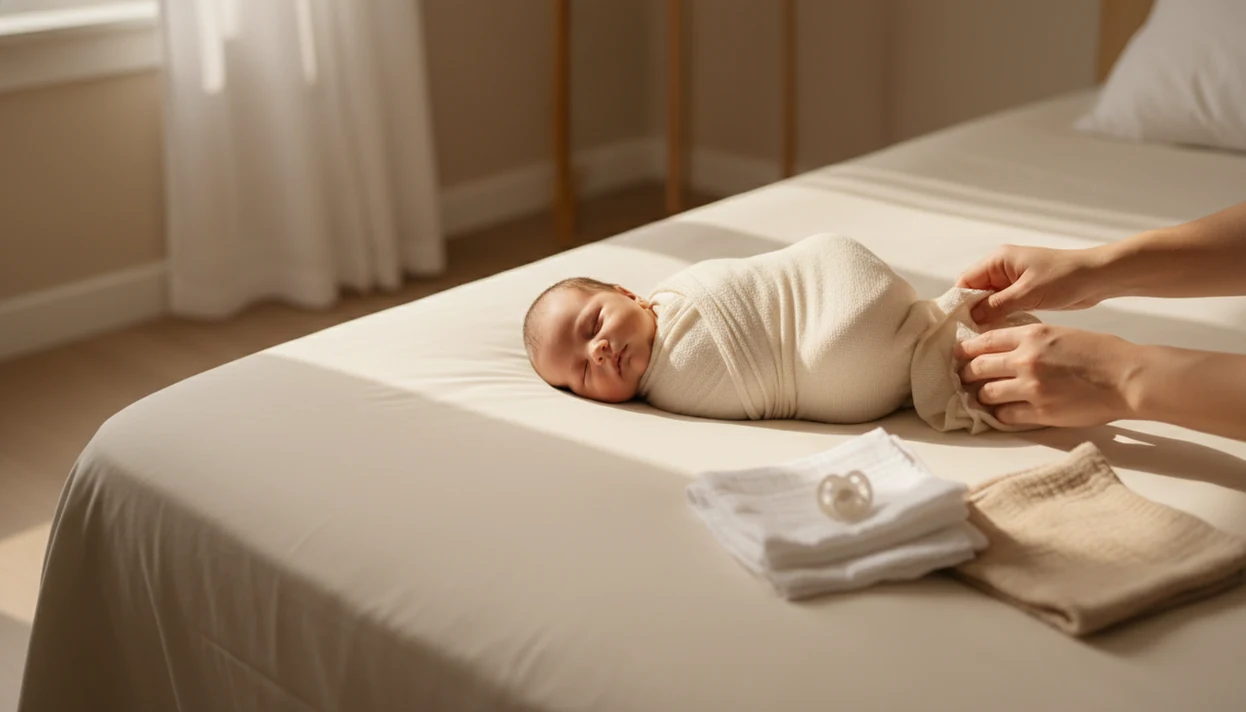
A newborn photoshoot usually gets easier after the first few days, with the classic sleepy-photo sweet spot around days 6–20, depending on feeding, sleep, jaundice, and parent energy. If you are asking when does newborn photoshoot get easier, the practical answer is: it gets easier when you stop chasing perfect poses and plan around one short calm window.
> Definition: A newborn photoshoot gets easier when baby comfort, parent recovery, simple setup, and realistic photo expectations line up during a short calm window.
TL;DR
- For sleepy, curled-up newborn photos, many photographers prefer roughly 6–14 days, sometimes up to 20 days.
- The first 3–5 days can be chaotic because feeding, jaundice, sleep, and parent recovery are still changing quickly.
- After 3 weeks, posed newborn photos may take more patience, but lifestyle baby photos can become easier around 5–8 weeks.
Newborn Photo Timing: The Easiest Age Window for Parents
The easiest classic newborn photo window is often about 6–14 days, with useful flexibility up to around 20 days. That range tends to balance sleepy behavior, curled posture, and slightly more predictable feeding.
Days 1–5 can feel harder than the calendar suggests. Feeding is still being established, parent recovery is raw, jaundice may be watched closely, and sleep can flip without warning. We have seen parents set up a plain white crib sheet, take one test shot, then stop because the diaper timing changed everything.
After 3 weeks, babies are often more alert and less tightly curled. That does not ruin the session. It changes the pace. For many parents, a baby-led lifestyle setup is easier than trying to recreate a curled studio pose from a saved image.
How Newborn Photoshoot Timing Works
Newborn photoshoot timing works by matching the photo idea to the baby’s regulation: how well they stay warm, digest a feed, tolerate gentle handling, and drop into deep sleep. The easier window is not magic; it is the point when body comfort and parent recovery are more likely to line up.
In the first few days, feeding is still settling, digestion can be noisy, and parents may be moving carefully after birth. Jaundice checks often cluster around days 3–5, which can make skin tone, sleepiness, feeding breaks, and general readiness feel less predictable. By days 6–14, many babies are still naturally curled and may sleep deeply after a full feed, so simple swaddled photos often move faster. As babies get older, they stretch more, wake more easily, and object to being tucked into tiny poses. That is why a 3- or 4-week-old may be better suited to crib-side lifestyle images, parent cuddles, and awake expressions than tightly curled newborn posing.
First-Month Newborn Photoshoot Expectations: Sleep, Feeding, and Jaundice
Newborn photos feel easier when sleep depth, feeding rhythm, diaper changes, room warmth, and parent stamina line up for 10 calm minutes. Age matters, but matching the idea to the baby’s current state matters more.
How newborn photoshoot timing works: the session depends on regulation, which is the baby’s ability to settle after feeding, handling, temperature changes, and noise. In plain parent terms, a full belly and warm room can matter more than whether the baby is 9 days or 13 days old.
Per the CDC Breastfeeding Report Card (https://www.cdc.gov/breastfeeding-data/report-card/index.html), about 83% of U.S. mothers initiate breastfeeding, and feeding patterns often change quickly in the first two weeks. That is one reason newborn photo timing can feel unpredictable at first. The American Academy of Pediatrics notes that newborn jaundice is common in the first week (https://www.healthychildren.org/English/ages-stages/baby/Pages/Jaundice.aspx); because it often peaks around days 3–5, the second week may feel calmer for skin tone, feeding breaks, and session readiness.
The burp cloth in the corner stays there.
Before You Start: Newborn Photo Safety and Setup Checklist
Before you start newborn photos, make the setup boring, warm, and easy to stop. A safe checklist matters more than the outfit, the bow, or the exact day on the calendar.
- Settle the baby first with a full feed, a burp pause, and a clean diaper so the first few minutes are not spent solving basic discomfort.
- Choose one warm, uncluttered room with soft window light, then clear cords, laundry piles, extra props, and anything that makes you reach across the baby.
- Keep a caregiver close enough to touch the baby for every setup, even for simple swaddled photos on a mattress or blanket.
- Avoid raised surfaces, wobbly baskets, unsupported props, and poses that require the baby to hold their own head or stay in a forced curl.
- Pause the session when the baby fusses, changes color, breathes oddly, or seems overstimulated, and stop completely if the parent holding the plan is exhausted.
If the room, baby, or adult does not feel ready, wait. The photo can be taken later.
Low-Stress Home Workflow for Easier Baby Photos
Use one short calm window, one simple backdrop, and one safe pose plan. For parents at home, easier baby photos usually come from reducing decisions before the baby is placed down.
- Set a 10–20 minute goal near soft gray light from a bedroom window around 10 a.m.
- Feed and pause for a burp, then wait for the baby’s body to settle.
- Choose one simple backdrop, such as a plain sheet or warm nursery floor blanket.
- Swaddle loosely enough for comfort, with a caregiver within arm’s reach.
- Shoot from just above mattress height, checking the crop before moving anything.
- Stop when the baby fusses, stretches hard, or needs a diaper change.
Tools like Newborn Photo App can help parents plan, edit, and share contest-ready newborn photos without needing elaborate posing. For a fuller setup walkthrough, our guide on how to take newborn photos at home keeps the same baby-led pace.
Five Newborn Photoshoot Facts That Make Sessions Feel Easier
These five facts set better newborn photoshoot expectations before anyone pulls out a swaddle or opens the entry form.
- The sleepy posed window is usually around 6–14 days, sometimes up to 20 days. This is when many babies still curl naturally and sleep deeply.
- The first few days at home can be harder than expected. Feeding, parent recovery, jaundice checks, and nights without rhythm all pile up.
- Around 3 weeks, babies may stay awake longer and stretch out more. The session can still work, but it may need more pauses.
- Missed early windows can still become beautiful lifestyle photos. Awake eye contact, parent connection, and crib-side details often photograph well.
- A full feed, clean diaper, warm room, and simple swaddle matter more than an exact calendar day. For most parents, preparation beats date math.
Newborn and baby photo contest ideas, photography tips, milestone shoots, and AI newborn photo inspiration should give parents safer choices and clearer planning, not pressure to force a fragile moment.
Newborn Photo Timing by Age: Posed, Lifestyle, and Milestone Options
Newborn photo timing changes the style that feels easiest. Three weeks is not too old, but it may be less ideal for tightly curled sleepy poses.
| Baby age | What may feel easiest | What to expect |
|---|---|---|
| Days 1–5 | Hospital details, parent cuddles, bassinet snapshots | Feeding, jaundice, and recovery may interrupt often |
| Days 6–14 | Sleepy swaddle portraits, curled supervised poses | Classic newborn timing for many photographers |
| Days 15–20 | Swaddled poses, blanket textures, simple close-ups | Still possible, often with more soothing breaks |
| 3–4 weeks | Lifestyle photos, crib-side images, awake faces | Less curled, more alert, slower pacing |
| 5–8 weeks | Parent interaction, eye contact, simple outfits | Often easier for relaxed baby photos |
| Later milestones | 3, 6, 9, and 12 month mini-shoots | Lower-stress, contest-worthy alternatives |
If you missed the first window, plan for expression instead of curl. A seasonal ribbon around a swaddle or a one-week letter board can wait for the right calm minute.
Common Myths About Easier Newborn Photos
Newborn photos do not have to happen in the first 7–10 days or they are ruined. The photo style changes with age, but useful, meaningful images are still possible.
- Myth: “The first week is the only chance.” Many parents get stronger images later because everyone is calmer and the setup is simpler.
- Myth: “Easy means no crying.” A successful session can include feeding, diaper changes, rocking, and stopping twice.
- Myth: “Older newborns cannot photograph well.” At 3–8 weeks, expect more awake expressions and fewer tucked poses.
- Myth: “Any pose can be made safe.” It cannot. Safety and baby comfort come before Pinterest or contest-style recreations.
The American Academy of Pediatrics recommends that babies sleep on a firm, flat, non-inclined surface on their backs (https://www.aap.org/en/patient-care/safe-sleep/), which is why unsupported pose recreations do not belong in DIY sessions. Parents comparing ideas should review newborn poses safe for beginners before trying anything beyond a swaddle.
Safe Contest-Ready Newborn Photoshoot Ideas That Reduce Stress
Safe, contest-ready setup ideas work because they keep the baby supported and the parent’s job simple. Start with photos that do not require balancing, deep posing, or complicated props.
- Simple swaddle portrait: Use a soft wrap, neutral blanket, and side light from a patio door.
- Parent hands close-up: Keep hands supporting the baby and crop tightly for expression; newborn photo ideas with parents hands are often strong without being fussy.
- Crib-side lifestyle photo: Use a firm bassinet mattress setup and keep the caregiver close.
- Blanket texture detail: Photograph eyelashes against a warm cheek, curled toes, or a wrinkled muslin swaddle.
- Awake eye-contact shot: Let the baby look toward a familiar voice instead of forcing sleep.
AI newborn photo inspiration can help choose colors, props, and framing before the baby is ready. However, complex composite-style images should not be recreated as unsupported DIY poses; composite newborn posing explained is the safer reference. Newborn Photo App is a baby photo contest app that helps parents plan, edit, and share contest-ready newborn photos. For timing decisions, use NPC as a planning and sharing aid, not as a reason to rush the session. The best contest-ready photo is still the one taken during a safe, calm window.
Limitations
No age guarantees a calm, tear-free, easy newborn photoshoot. Timing guides are useful, but they are based mostly on photographer experience, not controlled clinical research.
- Preterm, medically complex, or NICU-graduate babies may need individualized timing and pediatric input.
- Parent recovery and emotional readiness can matter as much as the baby’s age.
- Postpartum depression symptoms affect about 1 in 8 women with a recent live birth, according to CDC PRAMS data (https://www.cdc.gov/prams/php/prams-data/maternal-depression.html), so postponing photos can be the right choice.
- About 3–4% of U.S. births are late preterm, per the CDC, and those babies may feed, sleep, and regulate differently in the first month.
- AI inspiration cannot override real-world temperament, lighting, safety, or parent energy.
- Contest rules may require a square crop that cuts off a bonnet or grandparent’s hand, so check the entry form before you shoot.
- Some babies simply hate the swaddle that looked charming in the plan.
Save screenshots of official rules before posting. NPC can help organize contest-ready ideas, but it cannot replace safe supervision or pediatric guidance.
FAQ
Is 3 weeks too old for newborn photos?
No, 3 weeks is not too old for newborn photos. Sleepy curled poses may be harder, but lifestyle photos, swaddles, and parent connection can work well.
Is 1 month too late for newborn pictures?
One month is not too late for newborn pictures. Expect more awake expressions, longer stretches, and a softer lifestyle style rather than classic tucked newborn posing.
What age is easiest for a newborn photoshoot?
For classic sleepy newborn photos, the practical sweet spot is often about 6–14 days, with flexibility up to around 20 days. The easiest day still depends on feeding, sleep, and parent readiness.
Why are newborn photoshoots so hard?
Newborn photoshoots are hard because calm windows are short and feeding, diaper changes, light sleep, and parent exhaustion all affect timing. A simple setup usually reduces stress.
Do newborns cry during photoshoots?
Yes, newborns often cry during photoshoots. Breaks for feeding, soothing, and diaper changes are normal in successful sessions.
Can I take newborn photos myself at home?
Yes, you can take newborn photos at home with simple, safe setups. Use natural light, a swaddle, a firm surface, and baby-led timing.
When are lifestyle newborn photos easier than posed photos?
Lifestyle newborn photos may feel easier around 5–8 weeks when expectations shift toward awake interaction. They also work well when the early sleepy window was stressful or missed.
How long should a newborn photoshoot take?
A quick home attempt may only use 10–20 calm minutes. A fuller session can take much longer because feeding, settling, and breaks are part of the process.