How To Win a Baby Photo Contest Ethically and Safely
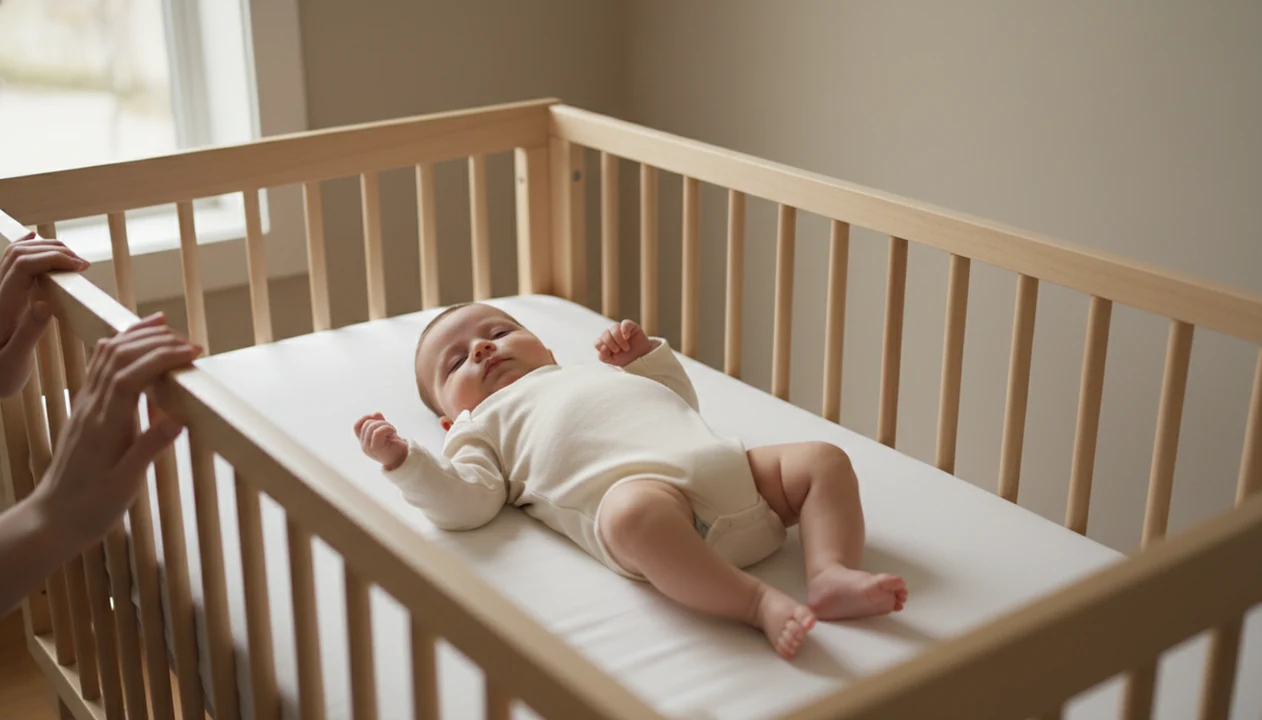
A strong way to learn how to win baby photo contest ethically is to submit a clear, original, rule-compliant photo and promote it only to real friends, family, and followers without buying votes, using bots, or staging unsafe poses. Strong lighting, a calm baby, a simple background, and honest captions usually help more than gimmicks.
> Winning a baby photo contest ethically means improving photo quality, rule compliance, and fair visibility without deception, vote manipulation, unsafe posing, or privacy-risky sharing.
- Pick a contest-ready photo with natural light, a calm baby, a clean background, and no unsafe setup.
- Read every rule before entering, including age limits, editing limits, voting rules, caption rules, and image ownership terms.
- Share the entry honestly with real people, ask for one vote, and avoid fake accounts, vote exchanges, paid votes, or spam.
Baby Contest Tips at a Glance for Ethical Wins
- Photo quality beats tricks. A clear face, soft light, steady focus, and a calm expression usually matter more than props, filters, or copied “cute baby” setups.
- Safety is part of the entry. A contest-ready setup should show an age-appropriate pose with the baby supported, comfortable, and not balanced on unstable props.
- Rules decide eligibility. A strong photo can still lose or be removed if it misses the age category, deadline, file format, caption limit, or voting policy.
- Fair sharing is not manipulation. Asking real friends and family to vote once is different from buying votes, using bots, trading votes, or creating fake accounts.
- No ethical method can guarantee a win. Per the CDC, the U.S. had 3,622,673 births in 2024, so baby-related contests can attract large audiences and unpredictable competition source.
Small margins matter.
A plain white crib sheet with one pacifier clip removed from the corner can look stronger than a busy themed scene.
How Ethical Baby Photo Contest Judging and Voting Works
Ethical baby photo contest judging works by rewarding eligible, original entries through judge scoring, public voting, or a mix of both without artificial vote inflation.
In judged contests, staff or guest judges may review clarity, theme fit, originality, expression, emotion, and rule compliance. A sleepy stretch photo might score well in a “cozy newborn” theme, but less well in a “big smiles” theme. Vote-based contests work differently. They reward visibility, timing, and the size of a real support network.
Hybrid contests combine both systems. A public vote may narrow finalists, then judges choose from that group. That structure can be fair, but it also creates pressure to overpromote. Ethical promotion increases real reach, not artificial vote totals.
The cleanest strategy is to make the photo easy to judge, easy to verify, and easy for real people to support.
Requirements Before You Enter a Baby Photo Contest
“What should I check before entering a baby photo contest?” Start with eligibility, image ownership, safety, and privacy before you upload anything.
Read the age range, location rules, deadline, file size, format, theme, and number-of-entry limits. Then check whether the contest allows phone photos, light edits, watermarks, captions, public voting, or reposting on social platforms. Parents often save screenshots of Instagram contest rules before they post, and that small habit can prevent a dispute later.
Confirm the photo is original. It should not be stock, copied from another creator, or AI-generated in a way the contest does not allow. Review whether the sponsor can reuse the image in ads, galleries, email, or future promotions.
Tools like Newborn Photo App can help parents plan, edit, and share contest-ready newborn photos, but the official rules still control the entry. For stricter rule review, an app that checks baby photo contest rules can also help organize the checklist.
Use Newborn Photo App as a planning aid, not as the contest authority. If NPC guidance conflicts with the sponsor's official rules, follow the sponsor's rules first.
Step 1: Choose a Safe Contest-Ready Baby Photo
Choose a photo where the baby is comfortable, supported, and clearly visible. The image should feel calm before it feels clever.
Look for natural expression, eye contact, a peaceful sleep, or a tiny in-between moment that feels personal. A milk-drunk half smile can say more than a crowded prop scene. Keep the background simple enough that voters notice the baby first. A wrinkled muslin swaddle is fine if it feels real, but a diaper sleeve in the frame will pull attention away.
Avoid unsafe newborn posing, unstable baskets, high surfaces, forced expressions, and setups that require the baby to hold a position they cannot hold. Clinicians and child safety authorities generally advise that infants need safe positioning and close supervision, and photo sessions should not override that. For a conservative safety baseline, the American Academy of Pediatrics advises that infants should be placed on a firm, flat, non-inclined surface without soft objects for sleep, which is a useful reminder to reject risky or unstable photo setups source.
For most parents, a personal, safely supervised moment is often stronger than copying a popular contest pose because it gives judges a real reason to remember the entry.
Step 2: Improve Baby Photo Quality Without Heavy Editing
Improve a baby contest photo by correcting light, crop, color, and sharpness while keeping the baby recognizable. Ethical editing should clarify the moment, not turn the child into someone else.
- Use soft light. Place the baby near window light or open shade, and avoid harsh flash that creates shiny skin or startled eyes.
- Crop for the entry form. Keep the face, expression, theme detail, and any required prop inside the frame.
- Correct exposure lightly. Nudge brightness, warmth, and contrast until skin tones look natural.
- Sharpen only if needed. Mild sharpness can help a phone image, but crunchy detail looks artificial.
- Avoid deceptive edits. Skip face reshaping, fake backgrounds, heavy beauty filters, or changes that break contest rules.
The awkward square crop box on some entry forms can cut off a bonnet or grandparent’s hand. Check it before submitting. If you want theme ideas before editing, newborn photo contest ideas can help you choose a safer setup first.
Step 3: Match the Baby Contest Rules Exactly
Rule compliance is the ethical baseline for any baby contest entry. A beautiful photo can lose fast if it ignores the brief.
Check the age category, date the photo was taken, entry count, theme, caption limit, editing rules, and voting instructions. Some contests allow one photo per child. Others allow one per household, one per email address, or one per theme. That difference matters when siblings, twins, or monthly milestone shots are involved.
Make a small rule checklist before uploading. Include file type, minimum resolution, deadline time zone, required hashtag, caption length, and any banned promotion methods. We have seen parents prepare a lovely image, then discover the contest wanted landscape format and a 25-word caption.
Annoying, but avoidable.
If you use a free baby photo contest app or a notes app, keep the checklist beside the final image. The goal is not just to enter. It is to enter cleanly.
Step 4: Write a Privacy-Aware Baby Contest Caption
A good baby contest caption is short, warm, truthful, and low-risk. It should explain the moment without giving strangers unnecessary personal details.
Use the caption to connect the image to a milestone, personality trait, seasonal theme, or family moment. Good angles include a first smile, sleepy stretch, sibling greeting, holiday outfit, favorite blanket, or tiny serious face during tummy time. Keep it specific, but not exposing.
Avoid full birthdates, home location, daycare names, medical details, hospital identifiers, or daily routines. “Three weeks old and already studying the ceiling fan” is safer than a caption that lists the baby’s full name, date of birth, and neighborhood.
The FTC also advises parents to be cautious about sharing children's personal details online because photos, names, locations, and routines can be copied or reused outside the original audience source.
Also skip exaggerations and pity tactics. If the photo is sweet, let it be sweet. Good newborn and baby photo contest ideas, photography tips, milestone shoots, and ai newborn photo inspiration should deliver safer, clearer creative choices, not pressure to overshare a child’s life for votes.
Step 5: Use Ethical Contest Sharing for Real Votes
Ethical contest sharing means asking real people for permitted support without pressuring them, spamming feeds, or inflating votes. Public voting can matter because Pew Research Center reports that 85% of U.S. adults use YouTube and 70% use Facebook, making family-and-friends sharing highly relevant for vote-based contests source.
Use one clear request with the contest link, deadline, and voting instructions. “If you have a minute, one vote by Friday would mean a lot” is enough. The voting link sent to grandma should not become ten reminders in one afternoon.
| Sharing choice | Ethical? | Why it matters |
|---|---|---|
| One post to real followers | Yes | It reaches people who know your family. |
| Family group chat reminder | Usually | It is fair if the contest allows sharing. |
| Paid vote package | No | It manipulates results and may violate rules. |
| Fake accounts or bots | No | It creates artificial activity. |
| Daily pressure messages | Risky | It can annoy people and reduce trust. |
Fair sharing examples
Share once on Facebook, send a family text, or add the link to a temporary story with the deadline.
Vote manipulation examples
Avoid vote exchanges, paid votes, fake profiles, automation, and repeated spam in parenting groups.
How to Use a Baby Photo Contest Checklist
Use a baby photo contest checklist to move from idea to entry without missing rules, safety, privacy, or sharing limits. A checklist works because it turns a cute-photo decision into a repeatable review.
- Set the deadline. Write down the close date, time zone, file format, category, caption limit, and voting method.
- Select 3 to 5 photos. Compare gallery favorites side by side, then remove any blurry, cluttered, or unsafe image.
- Review safety and originality. Confirm the baby is supported, the image is yours, and no copied or misrepresented AI work is involved.
- Check privacy and edits. Remove sensitive details, keep corrections light, and confirm the rules allow them.
- Upload the best version. Verify the entry page, crop, caption, category, and public link.
- Share once clearly. Track results without bots, paid votes, fake accounts, or vote exchanges.
For families comparing tools, the best baby photo contest app guide explains which features help with planning, cropping, privacy, and sharing.
Common Myths About How to Win Baby Photo Contest Ethically
- The Prop Pile Myth. Elaborate props do not automatically win. A first teddy tucked beside the baby can work, but only if the baby stays the focus and the setup is safe.
- The Filter Fix Myth. Heavy filters can make skin tones look strange and may violate editing rules. Light correction usually feels more honest.
- The Cute Pose Myth. Not every pose is acceptable just because it photographs well. Supported, age-appropriate posing comes first.
- The Everywhere Myth. Ethical sharing does not mean posting constantly in every group. It means sharing clearly where your real network can respond.
- The Everyone Cheats Myth. Paid votes are not harmless because “others do it.” They can distort the contest and trigger disqualification.
Natural light, visible comfort, and rule fit usually work better than risky novelty because they help judges and voters trust the image.
Verification Checklist Before Submitting a Baby Contest Entry
- Safety check: The baby appears comfortable, supported, and supervised, with no unstable props or forced position.
- Originality check: The photo belongs to you, is not stock, is not copied, and is not AI-misrepresented against the rules.
- Format check: File type, resolution, category, deadline, caption, and theme match the official entry form.
- Editing check: Exposure, color, crop, and sharpness edits are allowed and do not mislead viewers about the child.
- Sharing check: Your promotion plan follows contest rules and platform policy, with no paid votes, bots, fake accounts, or vote swaps.
One final preview helps. Hold the phone just above mattress height when reviewing the image, then look at the corners. A burp cloth, charger cord, or cropped-off hand can change the whole feel.
Apps such as Newborn Photo App, Canva, and babyphotoart.app can support editing or layout checks, but the final responsibility stays with the parent or caregiver.
Evidence Behind Ethical Baby Contest Tips
The strongest ethical baby contest tips come from three places: infant safety guidance, child privacy guidance, and the contest’s own voting rules. Safety and privacy advice is expert-backed; voting fairness is mostly rule-specific and platform-specific.
- Treat safety guidance as the floor. If a pose depends on an unsupported head, a high surface, a wobbly basket, or a baby holding a position they cannot hold, choose another photo. General infant safety advice supports conservative, supervised setups.
- Protect identifying details. Keep captions warm but limited, and avoid exact locations, routines, medical information, daycare names, and full birth details when the entry will be public or reused.
- Check anti-manipulation rules. Many contests and social platforms prohibit fake accounts, automation, purchased engagement, or coordinated vote schemes, but the exact language varies.
- Separate evidence from judgment. Supported posing and privacy restraint are grounded in child-safety and consumer-privacy guidance. Whether one reminder post is acceptable, or whether a filter is too heavy, depends on the contest.
- Follow official rules first. If sponsor instructions conflict with general photography advice, the official rules decide eligibility.
Limitations
Ethical baby contest strategy can improve an entry, but it cannot control judges, voters, platform systems, or other families’ networks. Treat it as a fair preparation method, not a promise.
- There is no guaranteed ethical way to win a baby photo contest.
- Judges and voters may prefer different styles, from bright smiles to quiet newborn portraits.
- Large contests can be hard to influence if your real voting network is small.
- Some contests have unclear rules, vague prize terms, or questionable voting systems.
- General photo improvements may only modestly improve your odds.
- Overpromotion can backfire if friends feel pressured or tired of reminders.
- Unsafe posing, fake votes, bots, paid votes, and deceptive edits are outside ethical strategy.
- AI art, filters, or background changes may be disallowed unless the rules clearly permit them.
- Privacy risks remain once a child’s image is posted publicly or licensed to a sponsor.
If a rule feels confusing, ask the organizer before entering. If a pose feels questionable, choose the safer photo.
FAQ
Can I ask friends to vote in a baby photo contest?
Yes, asking real friends and family to vote is ethical if the contest rules allow public sharing. Keep the request clear, limited, and free of pressure.
Are paid votes allowed in baby photo contests?
Paid votes are usually unethical and may violate contest rules. They can also lead to disqualification if the organizer detects manipulated activity.
Do baby photo contests check votes for fake activity?
Many contests may monitor suspicious patterns such as duplicate votes, fake accounts, unusual traffic, or automation. The exact review process depends on the platform and official rules.
What kind of photo wins baby contests most often?
Common strong traits include clear focus, natural light, visible expression, theme fit, originality, and a safe setup. No photo type wins every contest.
Can I edit a baby photo before entering a contest?
Light corrections such as brightness, crop, color, and sharpness are often acceptable. Heavy filters, face reshaping, fake backgrounds, or AI changes depend on the contest rules.
Are newborn poses safe for baby photo contests?
Newborn safety comes before dramatic posing. Use supported, comfortable, age-appropriate setups with a caregiver within arm’s reach.
Should I use props in a baby contest photo?
Simple, safe props can support the theme if they do not distract from the baby. Avoid anything unstable, sharp, heavy, or hard to supervise.
How often should I share my baby photo contest entry?
Share at sensible moments, such as once when voting opens and once before the deadline if rules allow. Repeated spam can reduce trust and annoy potential voters.
Can a contest use my baby photo after I enter?
Yes, some contests can reuse submitted photos for galleries, promotion, advertising, or future materials. Review image rights, licensing terms, and privacy exposure before entering.