Baby Photo Contest Scam Checklist For Parents
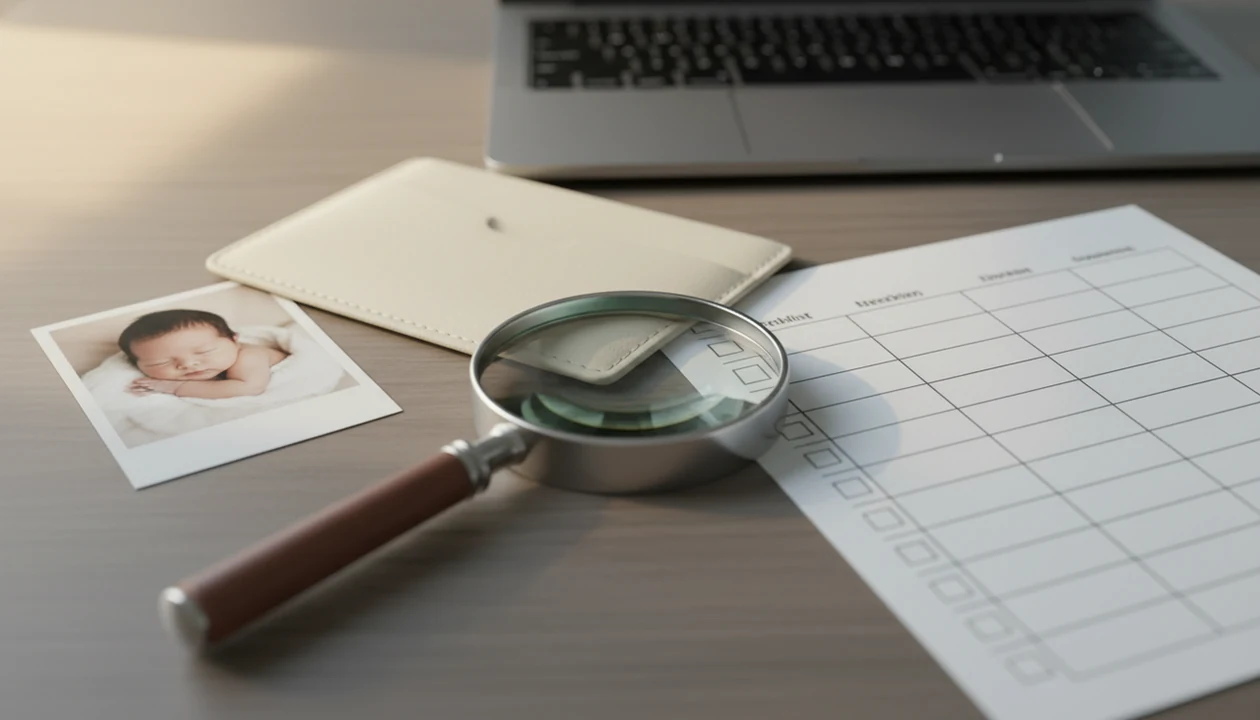
Use this baby photo contest scam checklist before you upload a newborn photo, enter payment details, or ask friends to vote. A contest looks riskier when the organizer is vague, the prize is unclear, votes cost money, charity claims are hard to verify, or the rules take broad rights to your baby’s image.
Definition: A baby photo contest scam checklist is a parent-focused screening tool for judging whether a baby or newborn photo contest has trustworthy rules, sponsors, payment terms, privacy practices, and photo-use rights.
- Legit baby photo contests identify the real organizer, sponsor, rules, prize, judging method, privacy policy, and photo removal process.
- High-risk red flags include paid-vote pressure, vague prize language, copied charity names, hidden subscription charges, and broad rights-grab clauses.
- Parents can reduce risk by submitting a low-resolution contest-only image, limiting personal details, checking sponsors independently, and saving screenshots of the rules.
Baby Photo Contest Scam Checklist At A Glance
Do not enter a baby photo contest if the organizer, prize, rules, fees, or photo rights are unclear. Those are the photo contest red flags that matter before you upload the cute shot, not after relatives have started voting.
Check these items first:
- Organizer name and real business identity
- Physical mailing address
- Sponsor verification from the sponsor’s own site
- Prize amount, prize type, and delivery timing
- Voting costs, vote packs, and refund terms
- Privacy policy and data-sharing language
- Photo license and advertising rights
- Cancellation or subscription terms
- Photo removal process
Online fraud is common enough to justify caution. The FTC received more than 2.4 million fraud reports in 2022, with over $8.8 billion in reported losses, according to its fraud data source. The FBI’s IC3 received 880,418 internet crime complaints in 2023, according to its 2023 Internet Crime Report source.
Save the rules screenshot before the upload screen changes.
How Baby Contest Scam Tactics Work Behind The Scenes
Baby contest scam tactics usually work as a funnel: an emotional ad, a quick upload, public voting, social sharing, paid vote pressure, and urgent elimination rounds. The mechanism is social proof plus conversion pressure, which means parents see other families participating and feel pushed to act fast.
A low-trust operator may profit from entry fees, vote packs, recurring charges, affiliate data, email lists, image licensing, or imitation charity claims. Not every paid-vote contest is automatically fraudulent, but the risk rises when the organizer’s identity and money flow are hard to see. We’ve seen parents pause at the payment screen after comparing gallery favorites side by side, then realize the “free entry” had become three checkout prompts.
Good newborn and baby photo contest ideas, photography tips, milestone shoots, and ai newborn photo inspiration should deliver safer creative options and clearer entries, not pressure to trade privacy for urgency.
Five Baby Photo Contest Facts Parents Should Verify
- Read before uploading: Parents should read the full rules and privacy policy before submitting a baby photo, especially when the form asks for a full name, birthdate, or social handle.
- Treat pay-to-play as higher risk: Pay-to-play and pay-per-vote contests need extra review unless the rules clearly explain fees, refunds, fundraising use, and cancellation.
- Verify the real operator: A legit baby photo contest names a real company, charity, address, contact method, and sponsors you can check outside the contest page.
- Account for child privacy: Baby photos can create sharenting risks when paired with names, birthdates, locations, hospitals, schools, or parent profiles. Pew Research Center reported that 81% of U.S. adults said the potential risks of company data collection outweighed the benefits source.
- Use safer entry habits: Safer participation means limiting personal data, using contest-only images, resizing or watermarking photos, and saving copies of the rules. The FTC reported that consumers under 18 accounted for 6% of identity theft reports in its 2021 Consumer Sentinel Network Data Book source.
For parents, a contest-only image is often safer than a sentimental family favorite because it limits future regret if removal is difficult.
Legit Baby Photo Contest Signals Worth Looking For
Look for named trust signals, not just a polished landing page. A contest-ready setup can still be simple, like soft gray bedroom light around 10 a.m. and a plain white crib sheet, but the rules should not be simple in the wrong places.
- Official rules: Clear eligibility dates, judging criteria, winner selection, dispute terms, and prize delivery.
- Prize disclosures: Specific prize value, tax notes, sponsor obligations, and any travel or fulfillment limits.
- Organizer identity: Platform owner, physical address, reachable support, and public business footprint.
- Sponsor proof: Sponsor names that also appear on the sponsor’s official website.
- Photo terms: Clear ownership, license scope, removal process, and privacy policy.
Tools like Newborn Photo App can help parents plan contest-ready newborn photos, but any app or contest page still deserves a rules review. If rights language feels dense, read baby photo contest rights explained before submitting.
Photo Contest Red Flags In Rules, Fees, And Prizes
Some contest terms sound official while still shifting too much risk onto parents. These words do not always prove a scam, but they require extra caution before payment or upload.
| Area to check | Lower-risk signal | Red flag language or behavior |
|---|---|---|
| Prize | Named cash value, product, or date | “Modeling opportunity,” “magazine feature,” “grand title,” or undefined value |
| Voting | Free voting or clearly capped paid voting | Vote packs, escalating leaderboards, countdown timers, repeated paid prompts |
| Rules | Full official rules and support contact | Missing rules, broken contact links, unclear cancellation terms |
| Winner history | Visible prior winners and dates | No past winners, recycled testimonials, vague “monthly winner” claims |
| Photo rights | Limited display license for contest operation | Perpetual, worldwide, sublicensable, transferable, royalty-free commercial use |
A square crop box can cut off a bonnet or a grandparent’s hand. That is annoying. A broad advertising license is a bigger problem.
Parents comparing paid vote baby contests should review both the money terms and the photo-use terms together.
Baby Contest Scam Privacy Risks For Newborn Photos
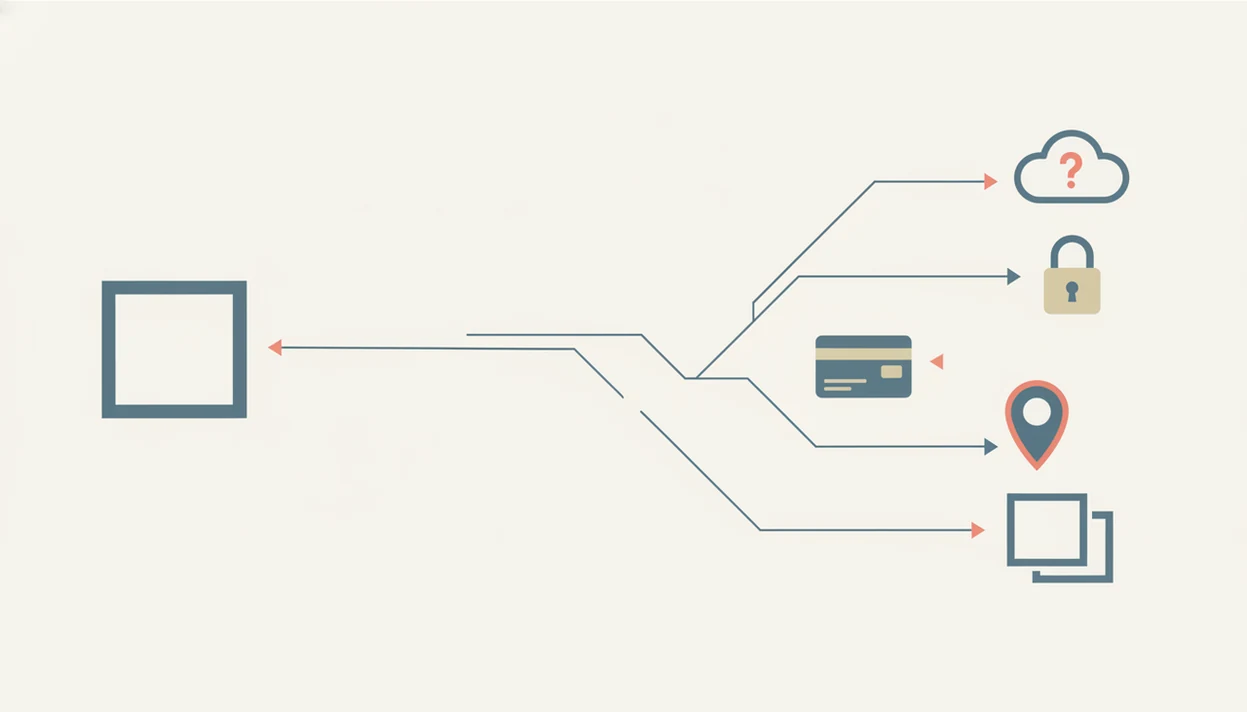
A baby contest scam can expose more than the image. The uploaded photo may be combined with a full name, date of birth, location, parent contact details, social profiles, and payment metadata.
That mix creates risks around image reuse, data profiling, targeted marketing, identity misuse, and unwanted public search visibility. Before uploading, remove hospital bracelets, street signs, school logos, birth certificates, full names, and geotags. We also suggest checking the corner of the test shot for a diaper sleeve, pacifier clip, or delivery label.
Use a separate contest photo rather than a sentimental image you may want private later. A phone held just above mattress height can make a safe, supervised idea look polished without showing the room. For a deeper privacy pass, use a baby photo contest privacy checklist before the final upload.
Caregiver within arm’s reach. Always.
Charity And Sponsor Checks For A Legit Baby Photo Contest
Does a charity logo or celebrity name make a baby photo contest legit? No. Scammers and low-transparency operators can copy charity logos, celebrity names, media badges, and sponsor language in minutes.
Verify the partnership on the charity’s official website, the sponsor’s official website, or reputable charity-rating databases. If a contest says a brand, nonprofit, or media company is involved, the claim should appear somewhere outside the contest’s own landing page. Baby2Baby is a real nonprofit often referenced in Baby of the Year-style promotions; it reports distributing over $450 million worth of essential items to children over thirteen years source. That is exactly why parents should check the real organization, not only the contest page.
A copied logo proves almost nothing. Confirmation from the source matters.
Common Baby Photo Contest Scam Myths Parents Believe
A charity or celebrity mention does not automatically make a contest legitimate. The better question is whether the named organization confirms the relationship independently.
Every paid-vote contest is not automatically a scam. Some fundraising contests use paid votes openly, but the rules should explain where money goes, whether charges recur, and how votes affect judging.
A viral contest is not safe just because many parents are entering. Viral sharing is part of how contests grow, and it can happen before anyone reads the fine print.
The only possible loss is not a small entry fee. Parents may also risk ongoing card charges, data sharing, image reuse, and loss of control over a child’s likeness. If you already submitted and feel uneasy, the baby photo removal from contest site process can help you organize the next steps.
Apps such as Newborn Photo App and NPC-style planning tools can support safer creative choices, but they cannot verify every outside contest claim for you.
When To Report A Baby Photo Contest Scam Or Get Help
Report or ask for help as soon as money, identity details, or your child’s image may be misused. Do not wait for the contest to “finish” if charges continue, logos look copied, or removal requests are ignored.
A calm paper trail helps. Before you contact anyone, save the contest page, official rules, privacy language, checkout screens, receipts, emails, vote confirmations, social posts, and every removal request or support reply. Then work through the right channel:
- Contact your card issuer if you see unauthorized charges, repeat billing, vote packs you did not approve, or a subscription you cannot cancel.
- Report suspected fraud to the FTC, IC3, or your state consumer protection office, especially when the operator is hiding its identity.
- Use platform reporting tools when a page impersonates a brand, copies a charity logo, reposts your baby’s image, or runs misleading ads.
- Ask a lawyer to review rules that claim broad commercial rights, sublicensing power, or ongoing advertising use of your child’s photo.
- Keep documenting dates, screenshots, payment records, messages, and takedown attempts in one folder.
If your gut says the contest crossed a line, treat that as enough reason to pause and escalate.
Limitations
A checklist reduces risk, but it cannot prove that a baby photo contest is safe, lawful, or parent-friendly. Use it as a screening tool, not a guarantee.
- A legitimate contest can change ownership, terms, privacy practices, or vendors later.
- Legal language about image rights may be hard for non-lawyers to interpret.
- A real charity partnership does not automatically make the voting model or photo license fair.
- Search results, Reddit threads, and social comments can be outdated, manipulated, or incomplete.
- Parents should consider avoiding any contest that asks for unnecessary child details.
- Payment processors, app stores, and social platforms may not review every contest deeply.
- AI-edited or filtered baby photos may have extra disclosure rules, especially in contests with originality requirements.
- This article is not legal, financial, cybersecurity, medical, or child-safety advice.
When a contest asks for more identity detail than it needs, skip it or ask support why.
FAQ
Are baby photo contests scams?
Some baby photo contests are legitimate, and others are risky. Legitimacy depends on transparent organizers, rules, payments, prizes, privacy terms, and photo rights.
Are paid votes in baby photo contests a red flag?
Paid votes increase risk when fees, fundraising use, refunds, or cancellation terms are unclear. They are not automatic proof of fraud.
How can I verify baby photo contest sponsors?
Check sponsor and charity claims on official websites, business records, and reputable charity databases. Do not rely only on logos shown on the contest page.
Can a baby photo contest reuse my child’s photo?
Yes, contest rules may grant rights to use, edit, display, advertise with, or sublicense submitted photos. Read the license section before uploading.
Should I watermark a baby contest photo?
A subtle watermark can reduce casual misuse. It does not override contest terms or prevent all copying.
What details should I hide before uploading a baby photo?
Hide full name, birthdate, location, hospital, school, address, street signs, and geotags. Also remove visible documents and ID bracelets.
Are charity baby photo contests always legitimate?
No, charity claims can be real, exaggerated, outdated, or copied. Verify the relationship through the charity’s own website.
What should I do if I already entered a baby photo contest?
Save the rules, check payment accounts, request removal, and change passwords if needed. Monitor cards or bank accounts for recurring charges.
What makes a baby photo contest legitimate?
A legitimate contest names a real organizer, clear rules, transparent prizes, verifiable sponsors, a privacy policy, and fair removal terms. Even then, parents should verify outside contest claims independently before uploading a child’s photo.